Views: 500 Author: Curry Publish Time: 2025-11-21 Origin: https://www.microductcoupler.com/
Air-blown fiber technology has become one of the most efficient and scalable methods for deploying optical networks. Compared with traditional pulling, blowing significantly reduces installation time, cable strain, and civil work. It also enables a modular approach: operators can install ducts once and add fiber later as demand grows. However, despite the advantages, many projects still experience avoidable failures—ranging from reduced blowing distance to duct blockage, microbend losses, or even complete installation breakdowns.
Understanding the root causes of these issues is essential for maintaining performance and protecting long-term investment. This article outlines the most common failures in blown fiber projects and offers practical strategies to avoid them.
1. Poor Microduct Quality and Inconsistent Inner Surfaces
One of the most widespread causes of blowing failure is the use of low-quality microducts. Blowing relies on a friction-reduced environment inside the duct. If the inner surface is rough, uneven, scratched, or contaminated, airflow efficiency drops sharply.
How it fails
Blowing distance decreases dramatically.
Cable stops frequently or fails to start.
Increased microbending after installation.
Higher long-term attenuation.
Root causes
Low-grade raw materials.
Poor-quality inner lubricated layer.
Manufacturing defects in the duct.
Microduct deformation during transportation or installation.
How to avoid it
Choose microducts with certified low-friction inner coatings.
Verify dimensional stability and ovality before installation.
Use ducts with adequate crush resistance and UV protection.
Avoid tight bending radii and heavy loads during storage.
High-quality microducts directly translate to longer blowing distances and reduced operational risk.

2. Incorrect Connector or Coupler Installation
Connectors and couplers play a critical role in maintaining airflow continuity. Even a minor misalignment can cause pressure loss and cable blockage.
Common failure modes
Air leakage at joints.
Water ingress caused by improperly sealed connectors.
Cable snagging at joint gaps.
Reduced pressure preventing further blowing.
Why it happens
Using connectors not designed for the duct size or pressure rating.
O-ring damage or missing seals.
Incomplete insertion or improper tightening.
Aging or low-quality connector materials.
How to avoid it
Use high-pressure, certified connectors designed for blown fiber.
Check O-rings and seals before every installation.
Follow manufacturer torque and installation guidelines.
Perform pressure testing before blowing.
Precision connectors ensure stable performance and protect the entire microduct ecosystem.

3. Poorly Designed Chamber and Access Point Layout
Chambers serve as critical access nodes for blown fiber systems. When poorly designed or placed, they create operational bottlenecks.
Typical issues
Hard-to-access ducts resulting in installation delays.
Sharp bends or overpacked FTTx access chambers causing duct kinks.
Poor drainage leading to water accumulation inside Telecoms Chamber.
Confusing or missing labeling leading to wrong duct routing.
Impact
Reduced installation efficiency.
Increased risk of future maintenance failure.
Higher OPEX due to unclear duct pathways.
How to avoid it
Plan Underground fiber manhole pacing based on expected blowing distances.
Ensure ducts enter the fiber manholewith smooth routes and proper bend radius.
Use durable, well-designed fiber cable chamber with clear labeling locations.
Implement a standardized identification system inside every access point.
A well-structured chamber layout significantly boosts long-term network reliability.

4. Inaccurate or Missing Duct Identification
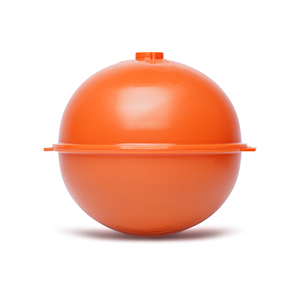
Passive Underground Electronic Marker is often overlooked, but it is one of the primary causes of installation errors.
What goes wrong
Technicians accidentally blow fiber into the wrong duct.
Mismatched duct maps cause operational confusion.
Time wasted locating correct pathways during maintenance.
Increased risk of cross-connection and fiber damage.
Why it happens
Inconsistent labeling practices between teams.
Weathered or low-quality labels inside chambers.
No GIS or digital tracking for duct routes.
High-density Microducts Bundles without clear color coding.
How to avoid it
Use weatherproof labels on HDPE cable ducts, power telecom chamber, and micro duct connectors.
Implement QR/NFC smart markers where possible.
Maintain updated GIS or digital records of routes.
Adopt a color + numbering + digital ID system for all ducts.
Clear identification is a low-cost practice that prevents high-cost failures.

5. Incorrect Blowing Machine Setup
Blown fiber success depends significantly on machine calibration, particularly for pressure, speed, and torque.
Common mistakes
Overpressure leading to cable buckling.
Underpressure causing stalling or slow progression.
Incorrect speed settings damaging cable sheaths.
Failure to lubricate ducts when necessary.
Consequences
Damaged fiber or microbending.
Reduced lifetime of the installation.
Unpredictable installation distance.
Best practices
Conduct airflow tests for every duct before installation.
Use the correct pressure and speed recommended for the cable type.
Lubricate ducts when working with long distances or older ducts.
Train all operators on machine calibration procedures.
Proper setup ensures consistent blowing performance and protects the cable investment.

6. Environmental Conditions and Contamination
Dust, water, and foreign objects inside the duct are common causes of blowing failure, especially in older or reused duct systems.
Problems caused by contamination
Abrupt cable stoppage.
Overheating of fiber cable blowing machine.
Long-term attenuation from micro-scratches.
Water-based friction reduction failure.
How to prevent it
Seal ducts immediately after installation.
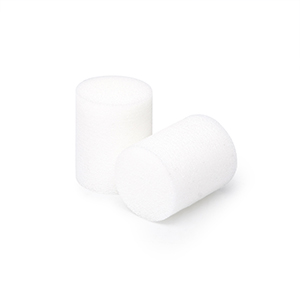
Use cleaning sponges or foam bullets before blowing.
Avoid leaving open duct ends at construction sites.
Conduct pre-blowing end-to-end airflow tests.
Clean ducts guarantee smoother performance and longer installation distances.
7. Improper Bending Radius or Tight Install Routes
Microducts are flexible but still vulnerable to stress. Excessively tight bends cause friction spikes that halt blowing.
Failure symptoms
Cable stops at the same location repeatedly.
Difficulty pushing or pulling the cable manually.
Audible friction or cable vibration during blowing.
Prevention
Respect minimum bending radius for both ducts and cable.
Avoid forced routing inside chambers or manholes.
Reroute ducts during installation if required for smoother sections.
Good routing ensures optimal airflow and long-term cable health.
Conclusion
Build a Reliable Blown Fiber System by Eliminating Preventable Failures
Most failures in blown fiber projects do not originate from the cable itself—they come from the ecosystem surrounding it: microducts, microduct push fittings, underground fiber vault, identification, machine calibration, and environmental conditions. By focusing on the quality of each component and following correct installation practices, operators can double blowing efficiency, reduce downtime, and ensure an upgrade-ready network for decades.
A successful blown fiber installation is not just about air blowing fiber cable—it is about creating a coherent system where every element contributes to airflow, protection, and operational clarity .
FCST - Better FTTx, Better Life.
At FCST, we manufacture top-quality microduct connector, microduct closure, telecom manhole chambers, Warning Nets and Locators and fiber splice boxes since 2003. Our products boast superior resistance to failure, corrosion, and deposits, and are designed for high performance in extreme temperatures. We prioritize sustainability with mechanical couplers and long-lasting durability.
FCST, aspires to a more connected world, believing everyone deserves access to high-speed broadband. We're dedicated to expanding globally, evolving our products, and tackling modern challenges with innovative solutions. As technology advances and connects billions more devices, FCST helps developing regions leapfrog outdated technologies with sustainable solutions, evolving from a small company to a global leader in future fiber cable needs.