Views: 500 Author: Curry Publish Time: 2026-06-10 Origin: https://www.microductcoupler.com/


Installing fiber optic cables is not just about choosing the right cable or microduct.
In many projects, installation success depends on something much simpler: the lubricant.
A suitable cable lubricant can reduce friction, increase blowing distance, protect cable jackets, and improve installation efficiency. On the other hand, using the wrong lubricant may lead to cable damage, installation delays, or even network failures.
This guide explains why lubrication matters, how to select the right product, and how to achieve better performance in fiber optic cable installations.
During cable pulling or fiber blowing, friction is created between the cable jacket and the inner wall of the duct.
As installation distance increases, friction also increases.
Without proper cable lube, installers may face:
Higher pulling tension
Reduced blowing distance
Cable jacket abrasion
Increased risk of cable damage
Longer installation time
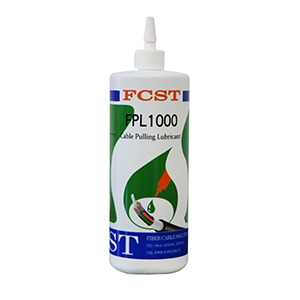
A high-quality wire pulling gel creates a protective film between the cable and the duct, allowing smoother movement and reducing mechanical stress.
Benefits include:
Lower installation force
Faster installation speed
Longer blowing distance
Better cable protection
Reduced project costs
When friction becomes too high, pulling tension increases rapidly.
This can result in:
Stretched fiber cables
Damaged cable jackets
Installation failures
Increased labor costs
Proper lubrication significantly reduces tension and allows cables to move more freely through the duct.
The outer jacket protects the fiber inside the cable.
Without lubrication, constant friction may cause:
Surface scratches
Abrasion
Deformation
Premature aging
Damaged jackets reduce the long-term reliability of the network.
For microduct installations, friction is one of the biggest limitations.
When friction is high:
Airflow efficiency decreases
Cable speed drops
Installation distance becomes shorter
A specially formulated fiber blowing lubricant helps the cable float more smoothly inside the microduct and improves blowing performance.
Not all cable pulling lubricant are designed for telecommunications applications.
The right product should match both the cable material and installation method.
Always ensure the lubricant is compatible with common cable jacket materials such as:
PE
HDPE
PVC
LSZH
Using untested chemicals or household products may cause swelling, softening, or cracking of the cable jacket.
Different installation methods require different lubricant formulations.
| Application | Recommended Lubricant Type |
| Fiber Blowing | Thin-film lubricant |
| Cable Pulling | Water-based pulling lubricant |
| Long-Distance Installation | High-performance low-friction lubricant |
| Industrial Applications | Heavy-duty cable lubricant |
Selecting the correct type helps achieve the best installation performance.
Step 1: Clean the Duct
Before installation:
Remove dust
Remove water
Remove debris
A clean duct allows the lubricant to work more effectively.
Step 2: Apply Lubricant Evenly
Apply lubricant according to the manufacturer's recommendations.
Avoid:
Too little lubricant, which increases friction
Too much lubricant, which may create residue
Even coverage usually produces the best results.
Step 3: Monitor Installation Performance
During installation, monitor:
Pulling tension
Blowing pressure
Installation speed
Cable condition
These indicators help identify potential problems before they become costly failures.
Many installers believe that more lubricant means lower friction.
This is not always true.
Excessive lubricant may:
Attract dust
Leave residue inside ducts
Increase maintenance difficulty
The correct amount depends on:
Installation distance
Cable diameter
Duct diameter
Product specifications
Always follow the manufacturer's technical data sheet for recommended usage.
Modern telecom projects increasingly focus on environmental compliance.
When selecting a lubricant, consider:
Non-toxic formulations
PFAS-free products
Easy cleanup
Low residue performance
Installers should also wear:
Safety gloves
Eye protection
Appropriate PPE for confined spaces
Safe handling practices help protect both workers and infrastructure.
Can I use soap or motor oil as a cable lubricant?
No.Household products are not designed for telecommunications applications and may damage cable jackets or reduce installation performance.
Does lubricant increase fiber blowing distance?
Yes.A properly formulated fiber blowing lubricant reduces friction and helps the cable travel farther inside the microduct.
Can too much lubricant cause problems?
Yes.Over-application may attract dirt, leave residue, and increase maintenance challenges.
How do I know if a lubricant is compatible with my cable?
Check the manufacturer's technical documentation and verify compatibility with the cable jacket material.
What is the best lubricant for fiber blowing?
A low-residue, thin-film lubricant specifically designed for fiber optic cable blowing typically provides the best results.
Cable lubrication plays a critical role in successful fiber optic installation.
Choosing the right wire gel can:
Reduce pulling tension
Improve blowing distance
Protect cable jackets
Increase installation efficiency
Lower overall project costs
Whether you are installing FTTH networks, backbone fiber routes, or telecom infrastructure, selecting a high-quality lubricant is a simple investment that can deliver significant long-term benefits.
At FCST, we manufacture top-quality microduct connector, microduct closure, telecom manhole chambers, Warning Nets and Locators and fiber splice boxes since 2003. Our products boast superior resistance to failure, corrosion, and deposits, and are designed for high performance in extreme temperatures. We prioritize sustainability with mechanical couplers and long-lasting durability.
FCST, aspires to a more connected world, believing everyone deserves access to high-speed broadband. We're dedicated to expanding globally, evolving our products, and tackling modern challenges with innovative solutions. As technology advances and connects billions more devices, FCST helps developing regions leapfrog outdated technologies with sustainable solutions, evolving from a small company to a global leader in future fiber cable needs.